Let’s Schedule Your Commercial Roof Inspection!

Severe summer heat, rain and hail, debris accumulation, vegetation growth and UV exposure can take their toll on commercial roofs. Unfortunately, you may not identify any damage until a professional inspection is completed. By taking proactive measures to keep up with regular maintenance and repairs of your roof system – you can extend its life cycle substantially. Want to get started? Schedule a detailed commercial roof inspection to begin safeguarding your investment!

Why Inspect Your Commercial Roof Before and After Summer?

A comprehensive roof inspection by a reliable commercial roofing specialist will provide you with all the necessary information regarding the current condition and identify any issues such as roof leaks or clogged drains. UV radiation from extreme heat can degrade commercial roof membranes, while sudden summer storms can overwhelm drainage systems in minutes. Extended dry periods and drought conditions can also accelerate membrane aging and increase thermal stress, making seasonal roof inspections even more important.


Benefits of a Seasonal Inspection: 

Identify UV and heat-related roof damage

Remove storm debris and drainage obstructions

Prepare documentation for insurance claims

Detect developing leaks before they impact operations

Verify roof performance before peak storm season

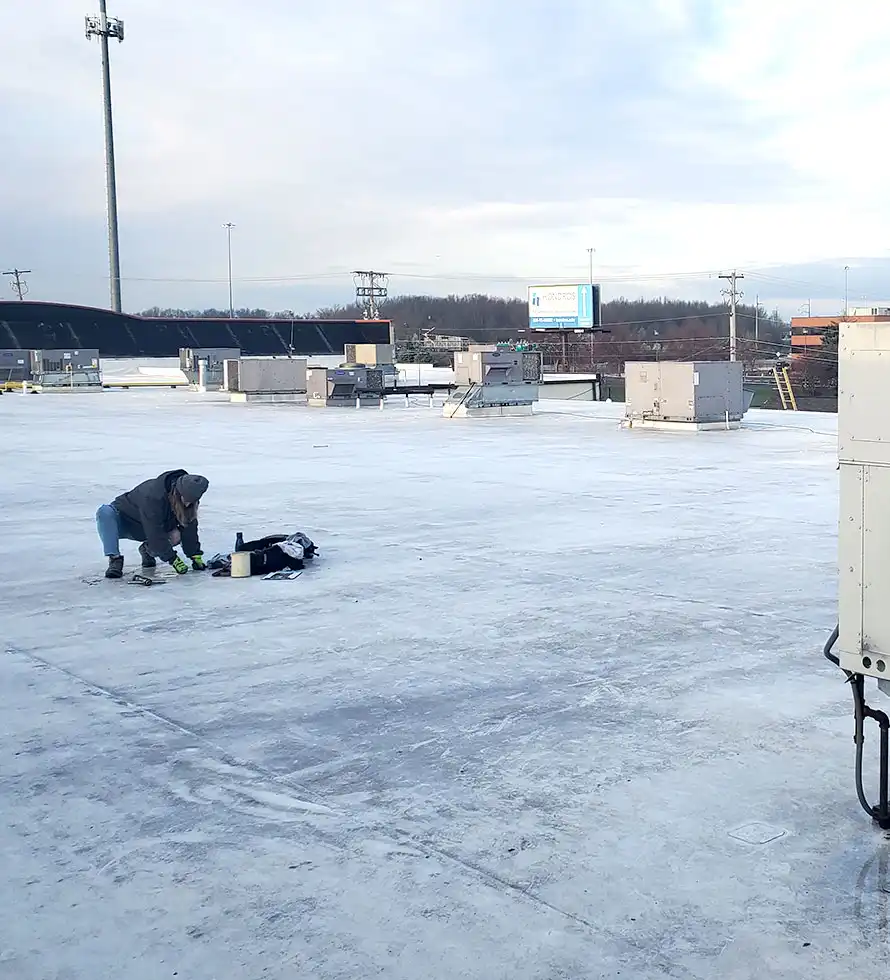
roofing techniciana are taking a roof core
commercial roofing techs taking the core during roof inspection
female roof inspector taking a roof core
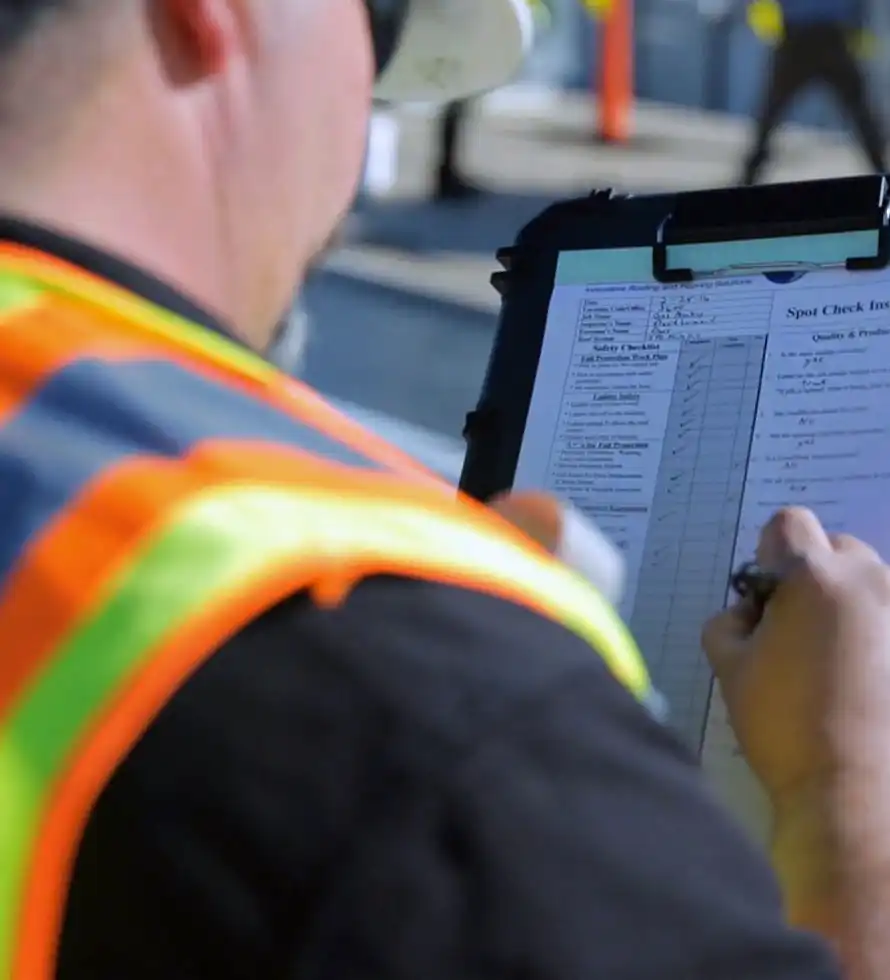
roofing tech looking at checklist when evaluating commercial roof

How Often Should You Inspect Your Commercial Roof?

We recommend performing roof inspections every six (6) months - in the spring and fall. It is also imperative to assess your roof after severe weather events. Summer storms and hurricanes can be relentless on your facility's roof. Performing a comprehensive roof inspection before and after a significant weather event will simplify the insurance claim process and identify any problems resulting in damage over time.

How to Schedule Your Commercial Roof Inspection with CentiMark?

Simply complete the form below and your dedicated local CentiMark roofing professional will contact you to set up an appointment that fits your operations and schedule.

What Will the Roof Inspection Cover?

  •  Inspect the interior of the building first and look for evidence of leaks.
  • Check drains, gutters and downspouts to ensure they are free from any buildup or debris.
  •  Ensure flashing around the edge of the roof is in good condition.
  •  Check for any growth of algae or moss.
  • Document roof surface defects, water entry points and damage.
  • Identify necessary safety requirements to remain OSHA compliant and specify actionable solutions to help you uphold these standards and regulations.
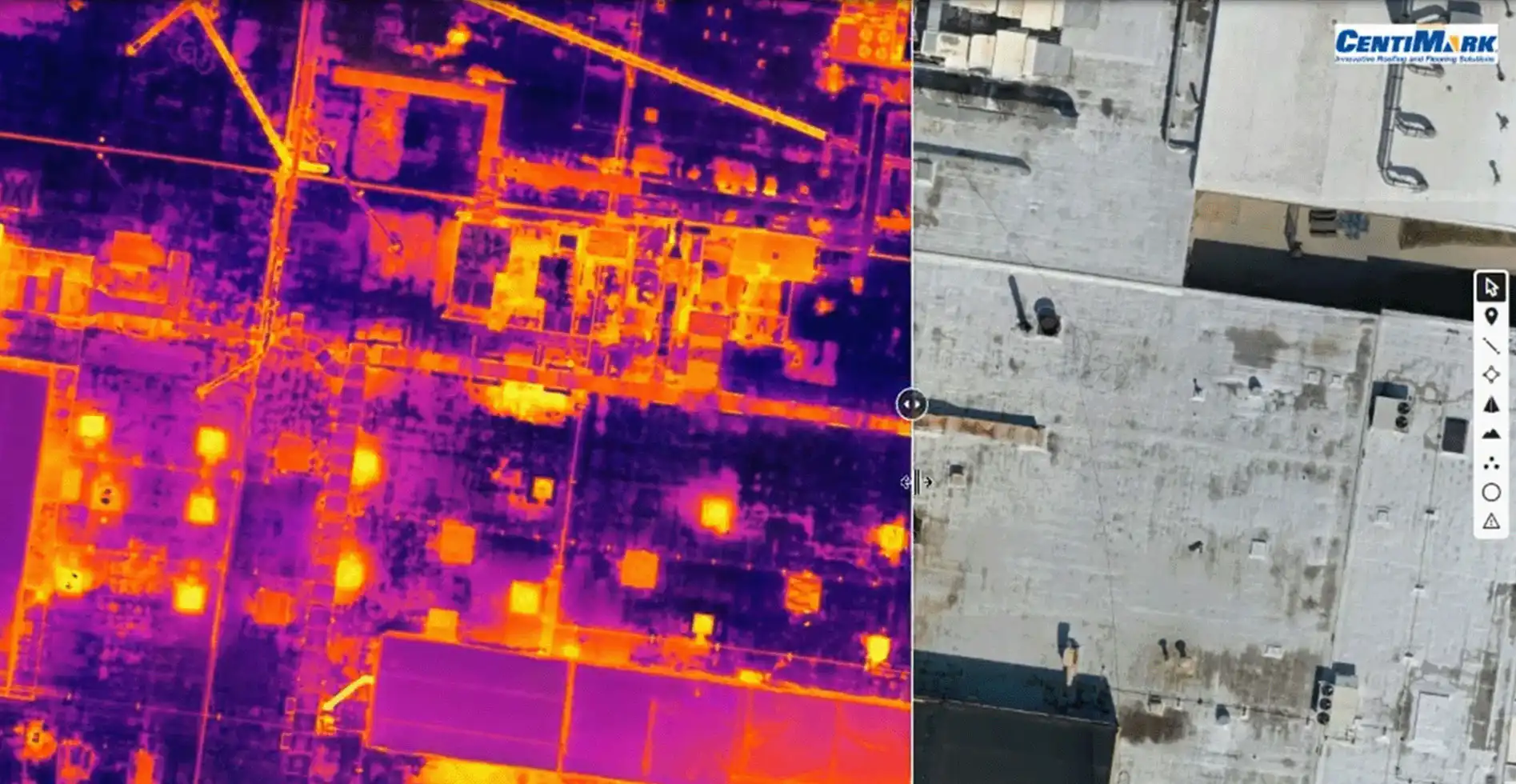
thermal image of a roof to determine moisture
female engineer checking a roof report
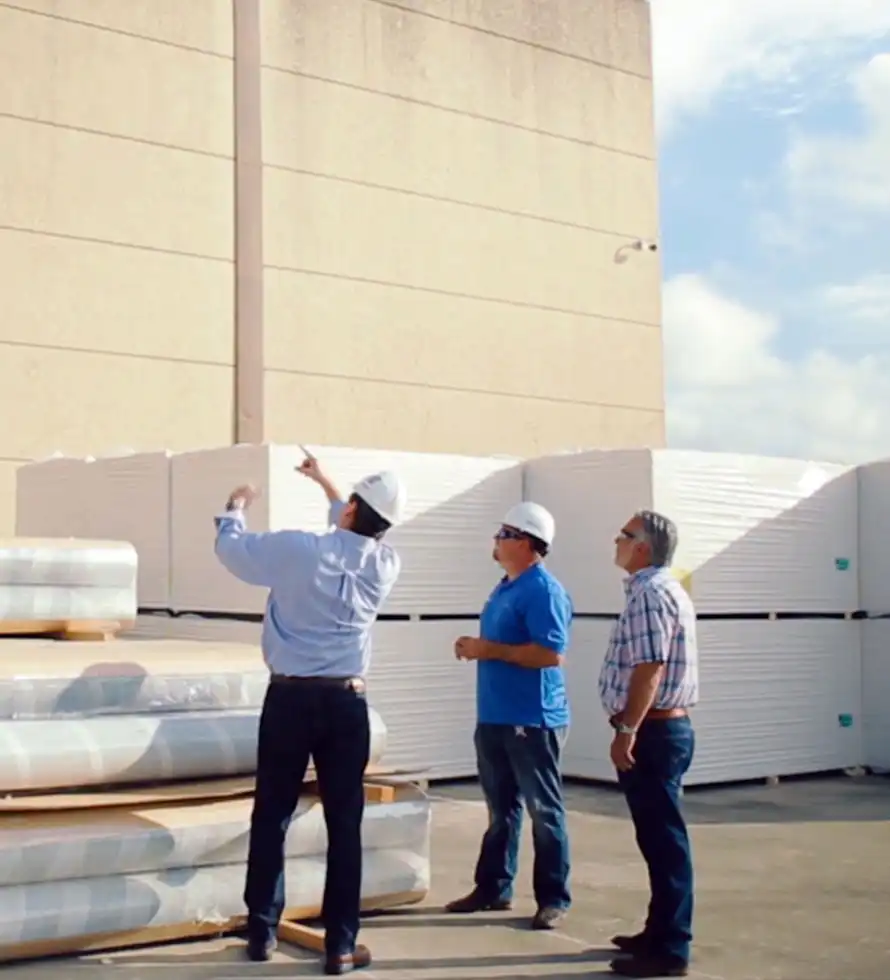
roofing professionals looking at facility's roof
Anne Serzz with clip board inspecting the roof

After Your Inspection, You Will Receive a Report that Includes

A roof condition report
 Photographs
 Suggested scope of work 
 Construction details
Associated pricing

Why Choose CentiMark for Commercial Roof Inspections?

Commercial roof inspections are essential for budget planning. Understanding your roof’s existing condition and knowing what to do to extend the life of your asset is paramount to keeping your commercial building watertight. Why choose us to determine your precise roof condition? With over 55 years of servicing roofs on all types of commercial facilities from coast to coast, we have vast knowledge and experience to do evaluations right. Additionally, we take pride in being trailblazers in the industry, constantly innovating with cutting-edge tools and technologies. From utilizing thermal imaging drones to implementing interactive visualizers and beyond, we empower you with accurate data for every roof within your portfolio. Contact us today and let's get started!

Frequently Asked Questions

Q: Why is a professional roof inspection necessary?

A: A visual inspection from an untrained eye can miss roofing issues that are impossible to notice without extensive knowledge and the proper tools. For a far more comprehensive Inspection, we’re able to examine each individual layer of your roof system through roof core sampling, drone technology and more. With this level of detail, we can detect any signs of damage with ease, giving you a complete picture of your roof’s condition.

Q: How long does a commercial roof inspection take?

A: Most commercial roof inspections take between 1–3 hours, depending on the size, layout and complexity of your facility’s roof. We also take your business operations into account, scheduling inspections and working in a way that minimizes disruptions.

Q: What kind of technology can CentiMark use during inspections?

A: We use different types of drone technology to get a fast, clear view of your entire roof, perfect for large or multi-level buildings. Through thermal imaging cameras, angled drone views and 3D virtual site assessments, we are able to safely and accurately assess your roof’s condition and explore potential solutions.

Q: Can summer heat cause a commercial roof to leak?

A: Intense heat causes commercial roof membranes to expand, while the sudden drop of temperatures with summer rain storms cause the roof to contract. This expansion can pull away flashings from walls or crack the membrane. Once the next rain storm hits, water will have a direct path into your building.

Q: Is it better to inspect a commercial roof before or after a heatwave?

A: Both are beneficial, but a post-heat wave inspection is critical. Sustained high temperature can compromise sealants and adhesives. Inspecting your commercial roof after a period of intense heat ensures you are ready for the coming seasons.

Q: Can drought conditions affect a commercial roof?

A: Yes. Extended periods of heat and drought can accelerate membrane aging, dry out sealants, and increase thermal expansion and contraction. Over time, these conditions can weaken roofing materials and make the roof more vulnerable to leaks during future storms.

Contact Us